Source Custom Jewelry Paper Sticker for Souvenirs, Gifts, Home Decor
Find 30 listings for custom jewelry paper sticker options with customizable sizes, colors, and printing methods. Buyers can compare MOQs ranging from 1 to 50,000 units, lead times, and packaging details from suppliers in Guangdong, China.
Key considerations
Products List


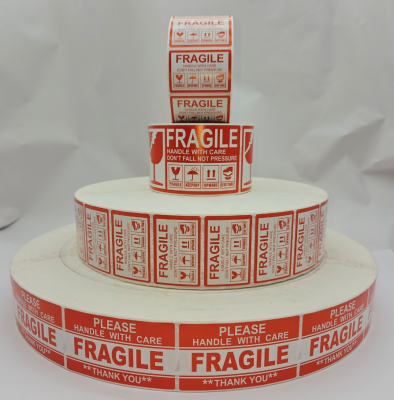
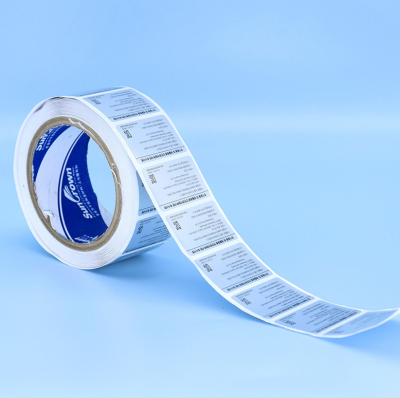


Comprehensive Sourcing Guide
Strategic Sourcing Guide for Custom Jewelry Paper Stickers
Understanding Product Specifications and Material Integrity
When sourcing custom jewelry paper stickers, the primary objective is to identify a product that balances aesthetic appeal with functional durability. Based on available market data, these items are fundamentally classified as adhesive stickers designed for specific industrial and commercial applications. The core material composition is typically paper, which offers a natural, premium feel suitable for jewelry packaging and branding. However, the physical properties of the paper must be carefully evaluated. The hardness of the substrate is often observed as "soft," which is a desirable trait for wrapping delicate jewelry items without scratching surfaces. Conversely, the transparency level is generally noted as "opaque," ensuring that any printed designs or logos are fully visible and not compromised by the backing material.
A critical specification to verify is the size customization capability. The market data indicates that "Custom Size Accepted" is a standard offering, allowing buyers to tailor dimensions to specific jewelry boxes, tags, or product labels. While some standard dimensions like 9cm by 5.4cm exist, the ability to request "Custom Design" for tag sizes is essential for unique packaging needs. The printing process is another vital technical aspect. The observed data points to "Offset Printing" and "Label Machine Printing" as the primary methods. Offset printing is generally preferred for high-volume orders requiring consistent color fidelity, while label machine printing may suit shorter runs or specific application workflows. Buyers must confirm that the printing method aligns with their volume requirements and design complexity.
Furthermore, the adhesive nature of these stickers is a defining characteristic. The product type is explicitly listed as "Adhesive Sticker," and the usage scenarios range from "Custom Sticker" applications to specific uses in "Garments, Shoes, Bags," and "Bottled Beverage" labeling. For jewelry, this versatility allows the sticker to function as a hang tag, a seal for packaging, or a decorative element on the jewelry box itself. The "Pattern" is typically "Printed," and color options are flexible, supporting "Pantone Color or Cmyk Color" specifications. This flexibility ensures that the sticker can match brand identity colors precisely. The "Layered" structure is described as "Basic Level," suggesting a single-ply construction unless a specific multi-layered requirement is negotiated.
Compliance, Certification, and Regulatory Standards
Navigating the compliance landscape is essential for international procurement, particularly when the product originates from manufacturing hubs like Guangdong, China. The observed data confirms that suppliers often provide certifications such as "ISO" and "CE." While these are high-confidence facts in the dataset, buyers must understand that these certifications apply to the manufacturing process and the supplier's quality management system rather than the sticker material itself in all cases. For instance, "ISO" likely refers to ISO 9001 standards for quality management, ensuring consistent production processes. The "CE" mark indicates conformity with health, safety, and environmental protection standards for products sold within the European Economic Area.
However, specific material certifications require careful verification. The low-confidence background data mentions "FSC" (Forest Stewardship Council) and "RoHS" (Restriction of Hazardous Substances). While these are relevant for paper products and electronic components (if RFID tags are involved), they should not be assumed to be present without explicit confirmation from the supplier. If the jewelry sticker is intended for eco-conscious markets, verifying FSC certification for the paper source is critical. Similarly, if the sticker includes any electronic components like RFID tags, RoHS compliance becomes mandatory to ensure no hazardous substances are present.
The "Industrial Use" category for these stickers includes "Food, Pharmaceutical, Apparel, Agriculture," which implies that the materials used in the adhesive and paper might meet certain safety standards. For jewelry, which is often handled directly by consumers, the absence of toxic inks or adhesives is paramount. Buyers should explicitly request documentation regarding the safety of the printing inks and the adhesive, especially if the product is marketed as "Eco-Friendly." The dataset notes "Eco-Friendly" as a feature, but this is an observation that requires validation through third-party testing or specific supplier declarations.
Cost Drivers and Pricing Structure Analysis
The pricing structure for custom jewelry paper stickers is influenced by several variable factors, primarily driven by customization levels and order volume. The observed price range in the market is between 0 and 6.8 USD, though this wide range likely reflects the difference between standard stock items and highly customized, premium designs. The "MOQ" (Minimum Order Quantity) is a significant cost driver, with observed ranges spanning from 1 to 50,000 units. However, specific product listings indicate an MOQ of 1000 PCS for custom orders. This suggests that while some suppliers may accept smaller trial orders, the most cost-effective pricing is typically unlocked at volumes starting around 1000 units.
Customization is a primary determinant of cost. The dataset confirms that "Customization: Available" and "Customized: Customized" are standard attributes. This includes custom sizes, custom colors, and custom logo printing. Each layer of customization adds to the setup costs and production time. For example, "Customized Logo Printed" and "Customized Designs" require additional design proofing and potentially separate printing plates or digital setup fees. The "Standard Export Carton" and "Shrink Package" options also influence the final unit cost, as specialized packaging adds to the material and labor expenses.
Lead time is another hidden cost factor. The observed "Leading Time" is typically 7-10 days for production, with sample times ranging from 5-7 days. Rush orders or expedited shipping will inevitably increase the total cost. Additionally, payment terms such as "T/T, Paypal, Western Union, L/C" can affect cash flow and transaction fees. Buyers should negotiate payment terms that align with their cash flow, especially for large orders where "L/C" (Letter of Credit) might be preferred for security. The "Industrial Use" scope also plays a role; stickers intended for "Food" or "Pharmaceutical" applications may require higher-grade materials, thereby increasing the base price compared to standard promotional stickers.
Typical Applications and Usage Scenarios
Custom jewelry paper stickers serve a diverse array of applications beyond simple labeling. The dataset explicitly lists "Personal Decorations," "Promotion Gifts," "Souvenirs," and "Home Decorations" as usage categories. This indicates that these stickers are often used as branding tools to enhance the unboxing experience for jewelry customers. A well-designed sticker can transform a standard box into a premium gift, adding perceived value to the product. The "Commerce Gift" and "Collection" usage suggests that these stickers are also used in retail environments to denote limited editions or special collections.
In a more functional capacity, the stickers are utilized for "Bottled Beverage," "Shipping Labels," "Food," "Price Tags," and "Medicine." While these seem unrelated to jewelry, they highlight the versatility of the adhesive and the durability of the paper. For jewelry, the "Price Tags" application is particularly relevant, allowing for clear, legible pricing information that can be easily removed or retained. The "Garments, Shoes, Bags" usage further underscores the sticker's adaptability to various retail sectors, suggesting that a supplier capable of producing jewelry stickers likely has the capacity to handle diverse product lines.
The "RFID" type mentioned in the data introduces a high-tech application. If the jewelry sticker incorporates RFID technology, it can be used for inventory management, anti-theft measures, or interactive customer experiences. This transforms the sticker from a passive label into an active component of the supply chain. The "Accessories" listed, such as "String/Cord," "Eyelet," "Cord Lock," and "Safety Pin," indicate that these stickers can be integrated into hanging tags or attached directly to jewelry pieces. This versatility makes them suitable for a wide range of jewelry types, from necklaces and bracelets to earrings and rings.
Supplier Evaluation and Production Capabilities
Evaluating a supplier for custom jewelry paper stickers requires a thorough assessment of their production capabilities and quality assurance processes. The "Processing" method is listed as "Machinery," indicating an automated production line that ensures consistency and efficiency. Buyers should verify the capacity of this machinery to handle their specific order volume and customization requirements. The "prod_origin" is consistently noted as "Guangdong, China" or simply "China," which is a major manufacturing hub. While this location offers cost advantages, buyers must ensure that the specific factory has experience with jewelry-related products and understands the nuances of high-quality paper printing.
The "Custom Order: Accept" attribute confirms that suppliers are generally flexible, but the extent of this flexibility varies. Buyers should inquire about the "Design" capabilities, specifically whether the supplier offers in-house design services or requires external artwork. The "Logo: Accept Customized Logo Printed" feature is standard, but the quality of the logo reproduction depends on the printing technology used. "Offset Printing" is generally superior for large runs, while digital printing might be better for short runs with variable data.
Quality control is paramount. The "Feature: Waterproof" attribute suggests that some stickers are treated to resist moisture, which is crucial for jewelry that might be exposed to humidity or accidental spills. Buyers should request samples to test the adhesive strength and the durability of the print under various conditions. The "Packaging" methods, including "Bag," "Flat Bag Packaging," and "Strong Export Carton," are important for ensuring the product arrives in pristine condition. The availability of "Pallets" for shipping indicates that the supplier is equipped for large-scale logistics, which is beneficial for bulk orders.
Quality Control and Long-Term Procurement Considerations
Maintaining quality over the long term requires a robust quality control (QC) framework. The "Feature: Eco-Friendly" claim should be backed by verifiable data, such as material safety sheets or third-party test results. Buyers should establish clear acceptance criteria for color accuracy, adhesive performance, and print clarity. The "Standard Export Carton" and "Shrink Package" options provide a baseline for packaging quality, but specific requirements for jewelry packaging might necessitate additional protective measures.
Long-term procurement considerations include the stability of the supply chain and the ability to scale. The "MOQ" of 1000 PCS is a starting point, but buyers should negotiate tiered pricing for larger volumes to reduce the unit cost. The "Leading Time" of 7-10 days is a benchmark, but buyers should discuss contingency plans for potential delays. The "Payment" terms, including "T/T" and "L/C," offer different levels of security and flexibility. For long-term partnerships, establishing a consistent payment schedule and clear communication channels is essential.
Finally, the "Customization" aspect should be viewed as a strategic advantage. The ability to produce "Custom Size," "Custom Color," and "Custom Design" allows buyers to differentiate their brand in a competitive market. However, this flexibility must be managed carefully to avoid production bottlenecks. Buyers should work closely with suppliers to standardize designs where possible while maintaining the ability to customize for special promotions or limited editions. By focusing on these technical, compliance, and operational factors, buyers can secure a reliable supply of high-quality custom jewelry paper stickers that meet their specific business needs.
FAQs
What customization options are available for custom jewelry paper stickers?
Customization is available for size, color, logo, and design. Buyers can request custom sizes, custom colors in Pantone or CMYK, and customized logo printing to match brand identity.
Which certifications do suppliers typically provide for these stickers?
Suppliers often provide ISO and CE certifications for their manufacturing processes. These indicate compliance with quality management systems and safety standards, though specific material certifications like FSC require verification.
How long is the lead time for producing custom orders?
The standard lead time is 7 to 10 days for production. Sample production typically takes 5 to 7 days, while full production runs may require 8 to 15 days depending on order volume.
Can I order small quantities of custom jewelry paper stickers?
Yes, some suppliers accept orders with an MOQ of 1 unit, while others require 1000 pieces for custom runs. The minimum order quantity varies by supplier and specific customization requirements.
What material is used to make these custom jewelry paper stickers?
The primary material used is paper, which offers a soft texture and opaque finish. This material is suitable for various applications including jewelry packaging, shipping labels, and promotional gifts.
Where are these custom jewelry paper stickers manufactured?
These products are primarily manufactured in Guangdong, China. This region is a major hub for paper and adhesive product production, offering competitive pricing and established supply chains.
What printing methods are used for custom jewelry paper stickers?
Offset printing and label machine printing are the primary methods used. Offset printing is ideal for high-volume orders requiring consistent color fidelity, while label machine printing suits specific workflows.